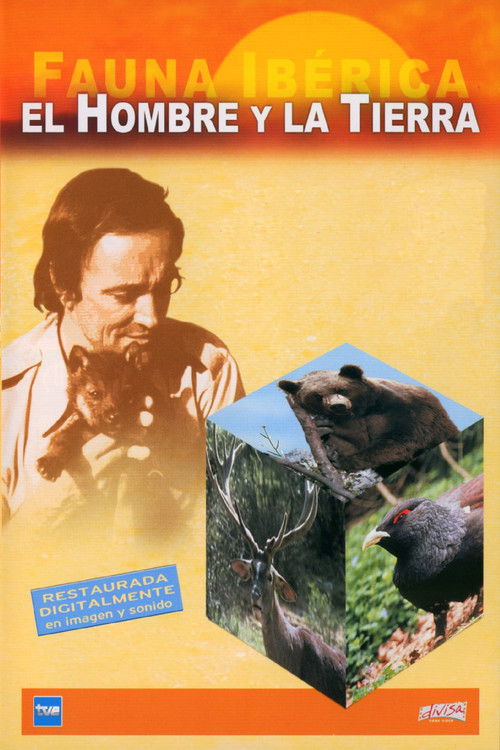
Man and the Earth
Iberian Wildlife Series
Overview
Documentary on Iberian's fauna
Man and the Earth
Iberian Wildlife Series
Overview
Documentary on Iberian's fauna
Episode Guide
In the forests and thickets of central, southern, and western Spain, in the ecosystem known as the Mediterranean forest, the second part of the deer saga takes place.
In the animal community of the Mediterranean forest, small herbivores, plant-eating animals such as mice, garden dormice, rats, squirrels, and rabbits, are abundant. Their populations are kept in check by small and medium-sized predators, extremely useful ones, such as weasels, polecats, genets, and foxes: the little killers.
In the Mediterranean forest, small herbivores such as mice, garden dormice, rats, squirrels, and rabbits are abundant. Their populations are kept in check by medium-sized predators such as the weasel, polecats, genets, foxes, lynxes, common buzzards, and booted eagles.
The great winged scavenger of the Mediterranean forest is the black vulture. In prehistoric times, black vultures must have fed on the remains of wolf feasts.

The great winged scavenger of the Mediterranean forest is the black vulture. In prehistoric times, black vultures must have fed on the remains of wolf feasts.
Families of white storks arrived on the Iberian Peninsula in the middle of winter. They return to their old nests and care for their young during spring. In midsummer, they migrate to their African wintering grounds. The European population of white storks has declined significantly.
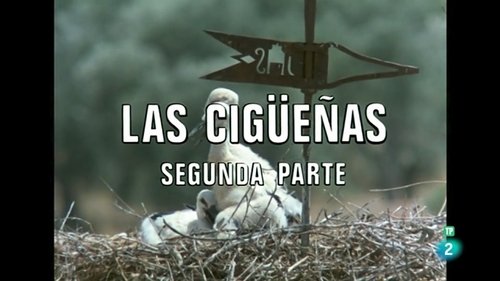
Storks have a wide and highly varied dietary range; they eat anything that is not plant matter. Their favorite prey includes frogs, toads, large insects, reptiles, and even chicks of ground-nesting birds.
The fastest and most acrobatic of European eagles, known to Anglo-Saxon naturalists as the hawk-eagle, nests on the cliff faces and gorges of Mediterranean countries.
The fastest and most acrobatic of European eagles, known to Anglo-Saxon naturalists as the hawk-eagle, nests on the cliff faces and gorges of Mediterranean countries.
Defeated, before dying, the old wild goat remembers his life: the golden eagle attack in his youth, the harsh winters, the mating display, and the fight that cost him leadership of the herd.
Defeated, before dying, the old wild goat remembers his life: the golden eagle attack in his youth, the harsh winters, the mating display, and the fight that cost him leadership of the herd.
The most representative bird of prey of European forests is the goshawk. With swift and acrobatic flight, armed with powerful talons, and dressed in splendid, beautiful plumage, the goshawk hunts both birds and mammals. On the Iberian Peninsula, its common prey are rabbits and corvids.
Shallow, vast steppe lagoons are of extraordinary importance for migratory waterfowl in Mediterranean countries. Drainage projects have destroyed very important lagoons.

Shallow, vast steppe lagoons are of extraordinary importance for migratory waterfowl in Mediterranean countries. Drainage projects have destroyed very important lagoons.
The fastest of all living animals is the peregrine falcon. In vertical or diagonal dives, it reaches speeds of over 350 km/h.
Four species of eagles live in Spain: the golden eagle, the imperial eagle, Bonelli's eagle, and the booted eagle. The imperial eagle is on the brink of extinction; the other three have greatly declined in number.
Through the medieval rules of falconry, the bird is tamed and trained until its will is won over.
Starting from a close-up of the magnificent trophy, the life of the deer is reconstructed.
The life of the magnificent deer is like a river: from when he was nothing more than a cub chased by a lynx, protected by his mother from wolf attacks, to his final days brought down in a hunt.
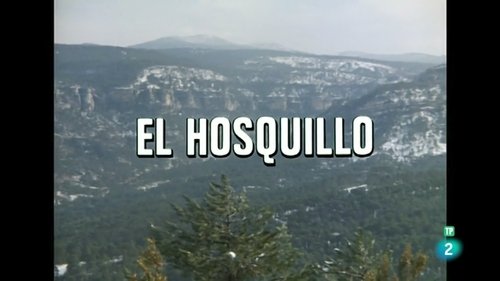
Deep in the Cuenca mountain range, occupying a great tectonic trench of pine forests crossed by a crystalline river, lies an experimental hunting reserve of ICONA. Among the park's research and study programs, the conservation and reintroduction plan for the brown bear in its native regions stands out.

Peregrine falcons and other raptors have been domesticated by humans since ancient times to hunt various species of birds and mammals.
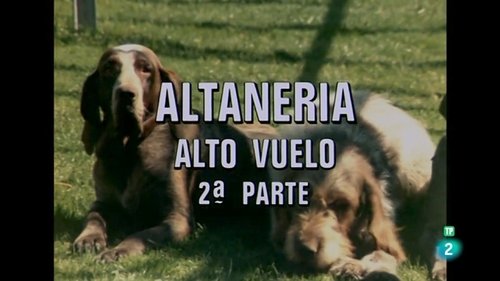
In the Middle Ages, the taming and use of high-flying falcons was known as "altanería."
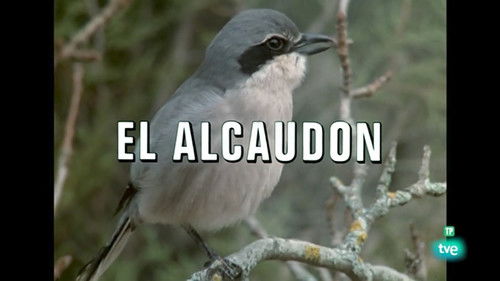
One of the most fearsome pirates of the Mediterranean forest is a small bird barely larger than a sparrow. Capable of capturing mice, birds, and other small vertebrates with its hooked beak, it swoops like a cyclone even against scorpions, and does not hesitate to attack snakes.
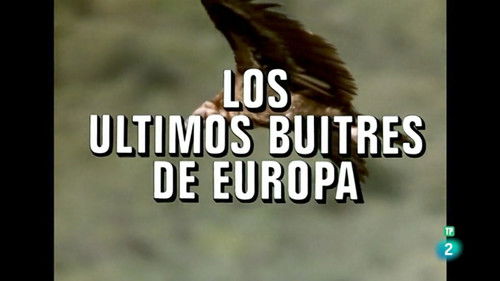
In this episode, besides vultures, different species appear, among which the eagle (imperial and short-toed), storks, wolves, azure-winged magpies, and mouflon are worth highlighting. "The Last Vultures of Europe" is one of Félix Rodríguez de la Fuente's most acclaimed productions. This documentary about vultures received recognition at the Monte Carlo International Television Festival in 1975.
An in-depth look at the Spanish golden eagle, from the courtship display to the moment the eaglets leave the nest.
An in-depth look at the Spanish golden eagle, from the courtship display to the moment the eaglets leave the nest.
In this first part, all the processes of reproductive biology and rearing of the young of the species also known as the hill rat are described.
Second part on the life of the garden dormouse, or hill rat. The garden dormouse is one of the most beautiful rodents in our fauna. Perhaps that is why it is one of the most coveted prey for many predators, though its "slowness" compared to raptors, snakes, and other predators such as the polecat also plays a role.
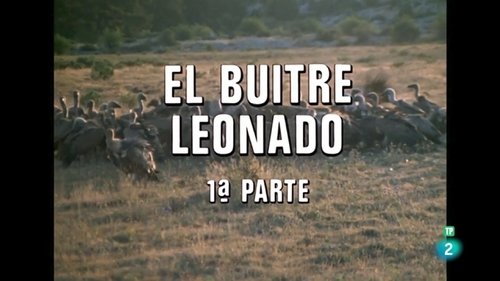
A carrion bird of steppe and mountain, the griffon vulture saw its ecological opportunities increase on the Iberian Peninsula as historical deforestation created bare spaces suitable for the prospecting flight of this winged scavenger.
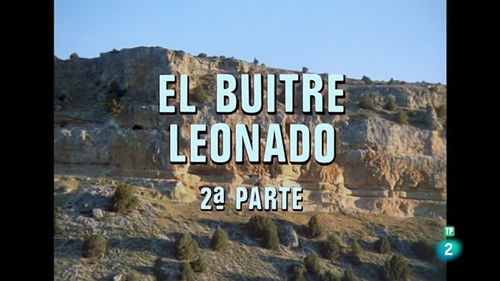
Second part on the existence of the griffon vulture as a carrion bird.
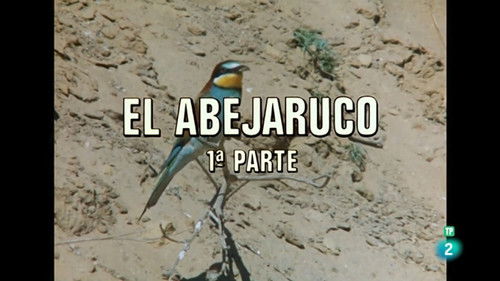
Birds of African origin, bee-eaters spend part of the spring and summer in Spain. Sporting a beautiful multicolored plumage, these birds feed primarily on insects captured in mid-flight.
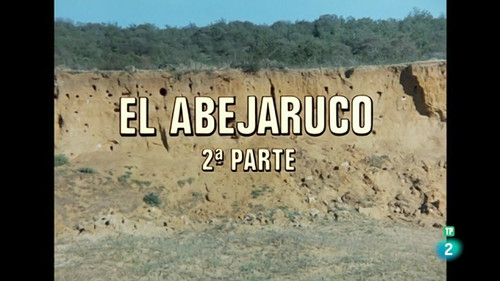
The secrets of the bee-eater's life, from the courtship display to the ritualized fights the chicks engage in to maintain the hierarchical order within their nests, including the threat of their great enemy: the hobby.
An episode explaining the wolf's relationship with humans from its origins.
Iberian wildlife boasts several champions in different sporting disciplines; in this episode, Félix Rodríguez de la Fuente measures the speed of the fox, the Iberian wolf, and the peregrine falcon, among others.
Nature has its own ranking of athletes, and in this episode Félix Rodríguez de la Fuente studies the abilities of each one.
Spain is a stopover and nesting site for several migratory species. In autumn, shortly after the storks and herons leave us, geese, cranes, and wild ducks arrive on our lands.
These birds, belonging to the order Piciformes, build their nests by drilling into wood. Among woodpeckers, some are practically omnivorous, such as the great spotted woodpecker. Others, like the green woodpecker, feed on wood-boring larvae and ants, using their extremely long protractile tongue.
In this episode, we observe that woodpecker chicks develop quickly.
Woodpeckers are insectivores and contribute to the health of the forests where they nest.
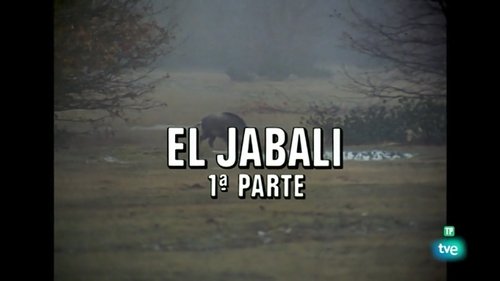
Among the large mammals of our wildlife, wild boars are without a doubt the most abundant and thriving. The high number of offspring that sows successfully raise, along with their omnivorous diet, help maintain such high population levels.
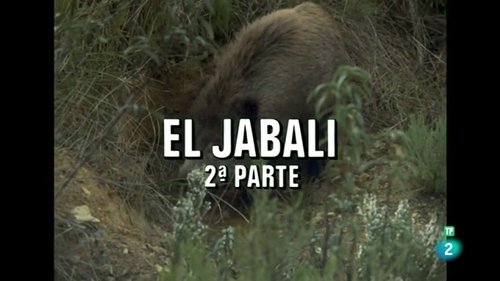
The natural predators of wild boars are lynxes, eagles, and wolves, although a large number of animals are also killed during driven hunts.
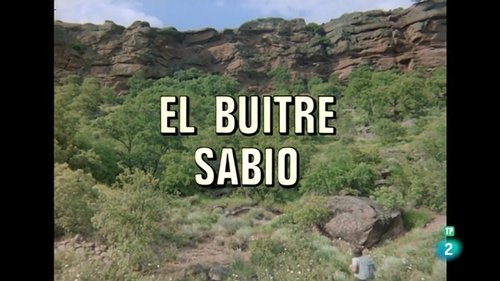
In this episode, we will learn firsthand how the Egyptian vulture is capable of using tools to perform tasks essential to its survival, specifically stone pebbles that it picks up from the ground with its beak and uses as instruments to break ostrich eggs.
The genet is a predatory mammal of nocturnal habits that lives throughout Africa, the Iberian Peninsula, and southwestern France.
Among the most aggressive carnivores are undoubtedly the mustelids. In a small burrow, a polecat fights to the death with an enormous rat.
As soon as the young polecats finish nursing, their parents carry the animals they capture into the burrow to feed their offspring.
Today's episode shows us how a wolf pack lives from the birth of the pups until they leave the den. The wolf cubs grow rapidly and change color, from completely black to more brownish tones. Félix Rodríguez de la Fuente shows us how these tender pups prepare for their lives as great hunters. There is great tension between two of the greatest hunters of our wildlife, the golden eagle and the wolf, and this forms the plot of this episode dedicated to the family clan of the Iberian wolf.
In this episode we can see that the Mediterranean forest is home to abundant small herbivores, such as mice, garden dormice, squirrels, and rabbits. Their populations are kept in check by small and medium-sized predators, extremely useful ones, such as weasels, ferrets, genets, and foxes.
While the crew sails through the waters of the Cabrera sub-archipelago, they discover a small cormorant chick that has fallen into the sea and seems doomed to die.
In this episode we can see Félix and his crew, including biologist Carlos Sanz, capturing different owls and nocturnal raptors to implant a technological tracking system hidden in their plumage in order to observe their habits and behaviors.
In this episode we can see Félix and his crew, including biologist Carlos Sanz, capturing different owls and nocturnal raptors to implant a technological tracking system hidden in their plumage in order to observe their habits and behaviors. We can also see these raptors in full action, and the footage shows us the attributes that make them efficient hunters of the dark: mimetic plumage, silent flight, razor-sharp talons, and prodigious eyes.
Corvids, like all omnivores, are extraordinarily intelligent. Their courtship behavior, nest building, social conduct, and hunting techniques are highly elaborate.
Corvids, like all omnivores, are extraordinarily intelligent. Their courtship behavior, nest building, social conduct, and hunting techniques are extraordinarily elaborate.
Another animal in danger of extinction, the Iberian fox. In this episode we can observe its life and habits.
The foxes captured unharmed by eagles are released equipped with electronic transmitters that allow their movements to be tracked from up to eight kilometers away. Thanks to this tracking system, we reconstruct the life of the Iberian fox.

The Cabrera sub-archipelago, located in the Balearic archipelago, is made up of a group of islands and islets that are home to a multitude of bird species of extraordinary scientific importance.

The Cabrera sub-archipelago, in the Balearic Islands, is made up of a group of islands and islets that are home to a multitude of ornithological species of extraordinary importance.
Courtship displays, nest building, incubation; the early life of the eaglets and departure from the nest in the three most important strongholds of the species, located in the Central Range, Extremadura, and Coto de Doñana.
One of the most beautiful and scarce raptors in the world is the imperial eagle, which has its last refuge on the Iberian Peninsula. According to the latest census conducted by the Ministry of the Environment, there are an estimated 250 pairs of these raptors on the Iberian Peninsula, mostly inhabiting its southwestern quadrant.
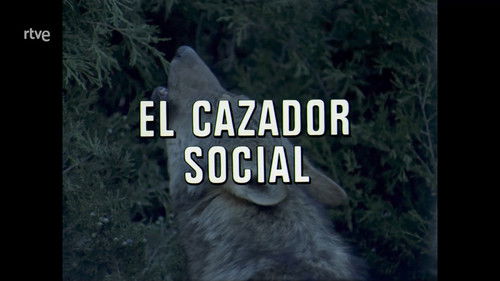
The wolf is a predator that lives and operates within perfectly hierarchical groups. Four years of studying and filming a wolf pack allow us to observe the most delicate patterns of social behavior.
In mountain rivers, crystal-clear and pure rapids, larvae of certain insects such as dragonflies, caddisflies, diving beetles, mayflies, and other species that spend a phase of their life in the water abound, to hunt and feed at the expense of these invertebrates.
The white-throated dipper is capable of diving in churning, fast-flowing waters to capture the larvae and adult insects on which it feeds. The Pyrenean desman, an insectivore related to moles, can remain underwater for over a minute.
After the dry season, the Guadalquivir marshland restarts its biological cycle with the first autumn rains. Two natural events take place: the bellowing of the deer and the arrival of the greylag geese.
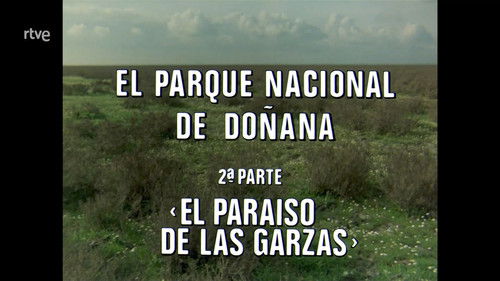
We can see how the Guadalquivir marshlands begin their biological cycle with the first autumn rains. Throughout the year, European and African migratory species find refuge here: ducks, geese, herons, little egrets, spoonbills, avocets, gull-billed terns... they nest and breed in these marshlands. Here too the imperial eagle breeds in April, and in summer the fallow deer's mating displays take place.
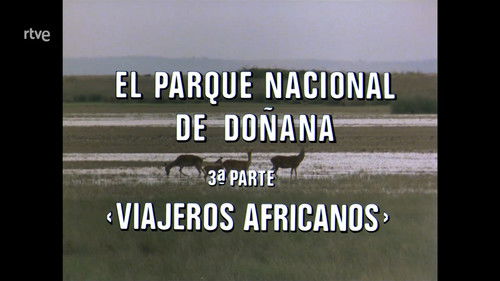
The Guadalquivir marshland, like all estuaries and wetlands in warm climates, reaches very high levels of nutrient production for the millions of African birds that choose Doñana to nest.
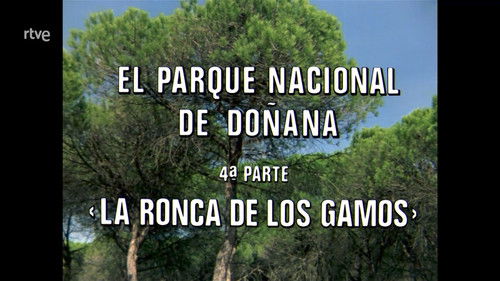
During the second half of July, the dried-out beds of the marshland begin to crack. The most striking event in the Doñana reserve is the rutting of the fallow deer, which in a way heralds the arrival of the autumn rains.
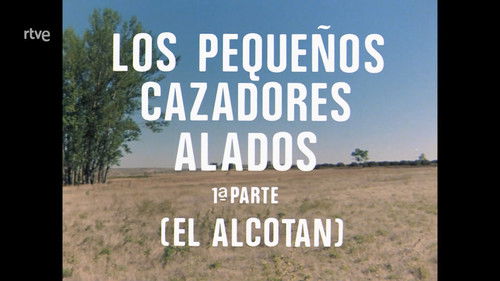
The hobby is a small migratory falcon that nests in Europe and winters in Africa and Madagascar. It is so fast and resilient in flight that it can catch swifts and swallows.
A study of the kestrel's behavior, its nesting process, rearing and emancipation of the chicks, and its prodigious hunting techniques.
The sparrowhawk is one of the most common little winged hunters in forested areas: its nesting process, rearing of the chicks, hunting, and emancipation of the young make up this episode.
The Castilian steppe was created by man, just like the vast bare plains of Extremadura, Aragon, and lower Andalusia. Originally, these wide plains were covered by holm oak, cork oak, and oak forests.
In April, the mating display of the great bustards takes place. The bearded old males, weighing up to 17 kilograms, acquire striking tones in their plumage and display large, bristly beards.
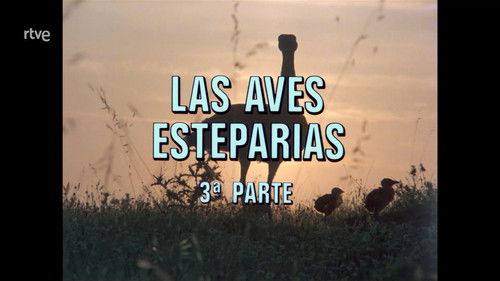
The rearing of great bustard chicks from hatching to emancipation had never been filmed in the wild. These enormous birds are tiny and helpless at the start of life. Feeding mainly on insects, they grow rapidly.
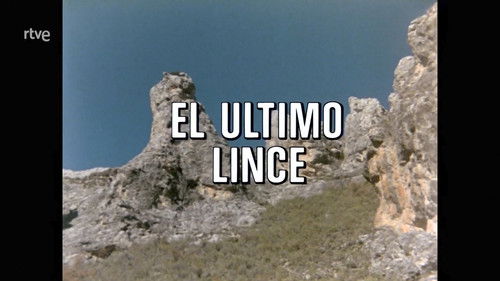
A huge, old lynx roams a Spanish mountain range, trying to capture some prey, but his attacks on rabbits, partridges, and carrion crows all fail. The old lynx recalls the different hunting techniques that brought him success in his youth, as evening falls.

The most adaptable of mammals, after man, are the rodents: rats, mice, voles, dormice... they proliferate in fields and cities, and can be useful or extraordinarily harmful. Rodents are small mammals endowed with great intelligence and adaptability. This episode is dedicated to squirrels.
According to data provided by paleontologists, the fallow deer and the mouflon disappeared from the European continent with the last ice age. The mouflon found refuge on the island of Corsica, the fallow deer in Asia Minor. It was climatic conditions that were the enemies of both species.
For the study of rodents, they have been divided into two parts: common or urban rodents such as the rat, and wild ones such as the garden dormouse, voles, field mice, fat dormice, etc.
The common or red-legged partridge, the favorite quarry of millions of hunters, is a bird of singular beauty, strength, and bravery.
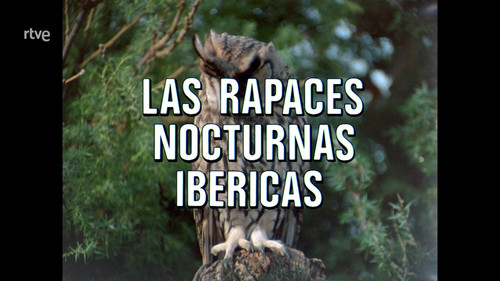
Filmed in full action thanks to electronic equipment, the nocturnal raptors show us their attributes as efficient hunters of the darkness. The long-eared owl, the barn owl, the tawny owl, and the little owl are several of the nocturnal raptor species that soar through our skies.
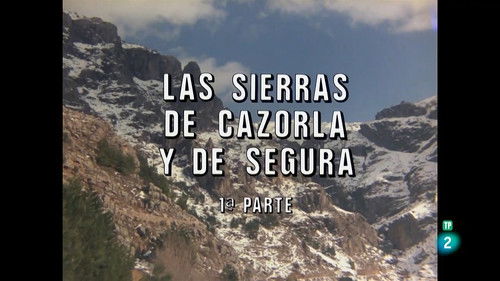
In the middle of March, snow covers the sierras of Cazorla and Segura. The golden eagle performs its mating displays in the pristine sky. The otter seeks a den for her own litter; fallow deer, mouflon, and red deer bring their young into the world.
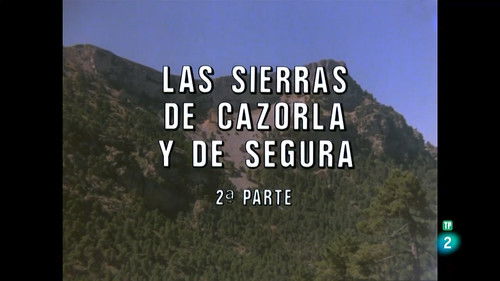
In early June, the great herd of wild goats ascends through the black pine forest in search of fresh pastures. The pair of bearded vultures feeds the single chick in their nest. The cascade of griffon vultures descends upon a fallow deer carcass.
In some of our mountains, animals on the brink of extinction survive, specifically the bearded vulture, the brown bear, and the capercaillie, which find their refuges on the peaks of the Pyrenees and in the Pyrenean mountain forests.
In some of our mountains, animals on the brink of extinction survive, specifically the bearded vulture, the brown bear, and the capercaillie, which find their refuges on the peaks of the Pyrenees and in the Pyrenean mountain forests.
In some of our mountains, animals on the brink of extinction survive, specifically the bearded vulture, the brown bear, and the capercaillie, which find their refuges on the peaks of the Pyrenees and in the Pyrenean mountain forests.
The immense forest that covered the Iberian Peninsula in still-historical times has been destroyed to the point of turning Spain into a steppe nation. In the last remaining woodlands, disconnected from one another, animals that cannot abandon these forest refuges survive. Capercaillies, bears, goshawks, deer, dormice, and many other forest species are meticulously described in harmony with their habitat.
A new chapter begins in the mountains of the Iberian Peninsula: the bellowing season.
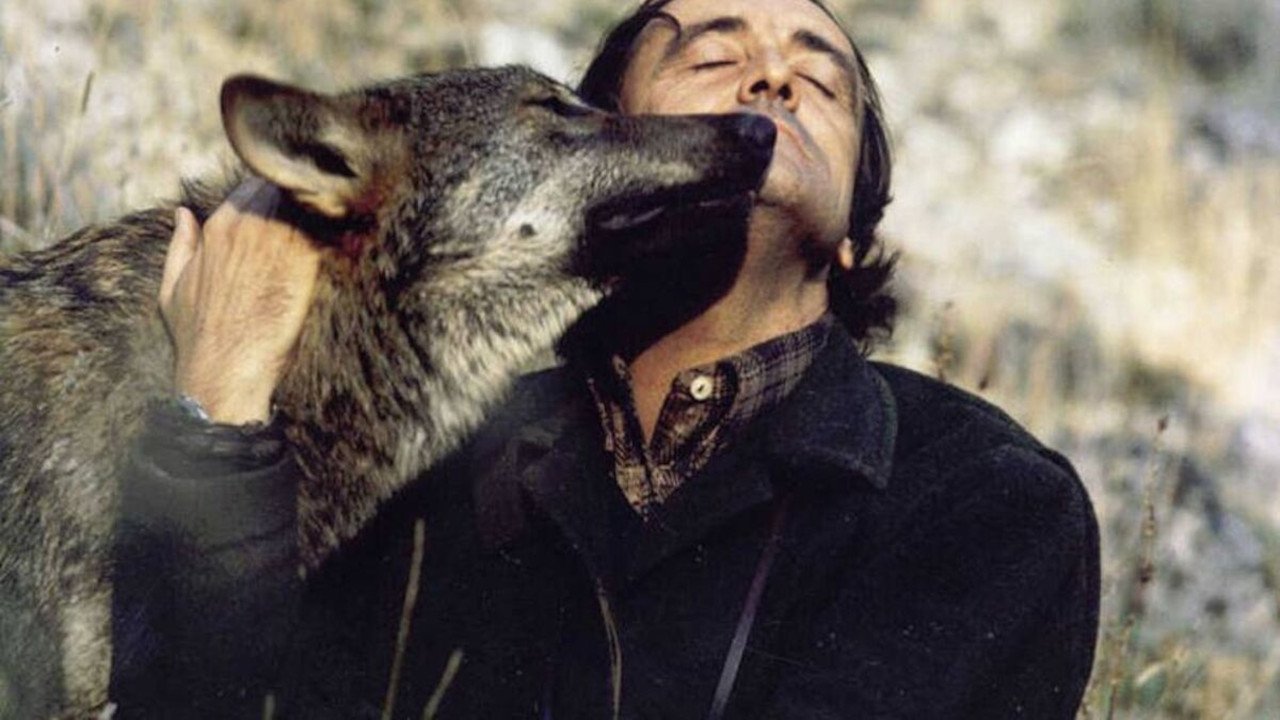
This episode summarizes the daily life at the filming camps of the Man and the Earth crew, always immersed in the heart of nature, and the coexistence between man and wolf.
Spain is the richest nation in Europe for birds of prey: black vultures, griffon vultures, Egyptian vultures, bearded vultures, several species of eagles, common buzzards, harriers, falcons, goshawks and sparrowhawks, hobbies and kestrels, distributed across the different natural regions of Iberia.
The sub-archipelago of Cabrera, located in the Balearic archipelago, is made up of a group of islands and islets that are home to a multitude of bird species of extraordinary scientific importance.
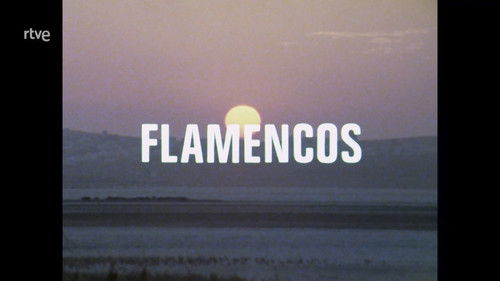
The shallow, saline waters of the Fuente de Piedra lagoon welcome a large number of flamingos year after year, the last refuge on the Iberian Peninsula for this rare bird, which is currently protected by law.
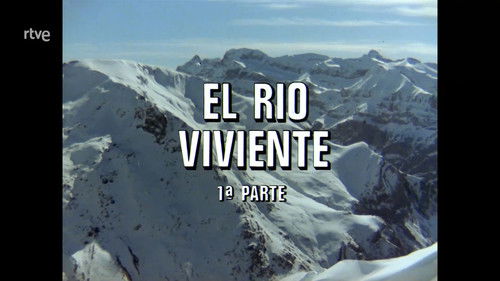
Over the course of two episodes, we follow the course of a mountain river. On its uninterrupted journey, the waterways become a mirror in which animals linked to the currents appear.
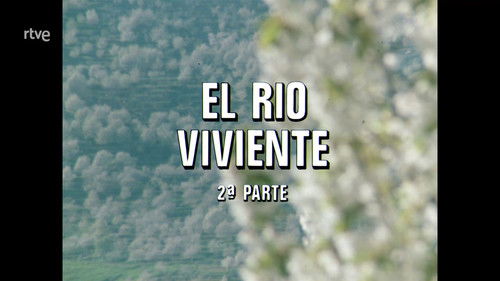
Second part dedicated to following the course of a mountain river, where a number of animals linked to the currents appear.
Reviews
Share your take
Sign in to rate what you’ve watched, write a review, and join the conversation.